How real estate CRM software makes it easier to follow up with leads and get more sales
Why Following Up on Leads Is More Important Than Generating Leads?
Most real estate companies spend a lot of time and money on getting leads, such as running ads, putting properties on websites, and answering questions. But the truth is that many deals are lost not because there aren't enough leads, but because the follow-up isn't good.
A buyer could ask about a property today, compare their options tomorrow, and make a choice within a week. If the developer, broker, or sales team doesn't follow up at the right time, the buyer will just move on to another project or agent.
This is when Real Estate CRM software is very important.
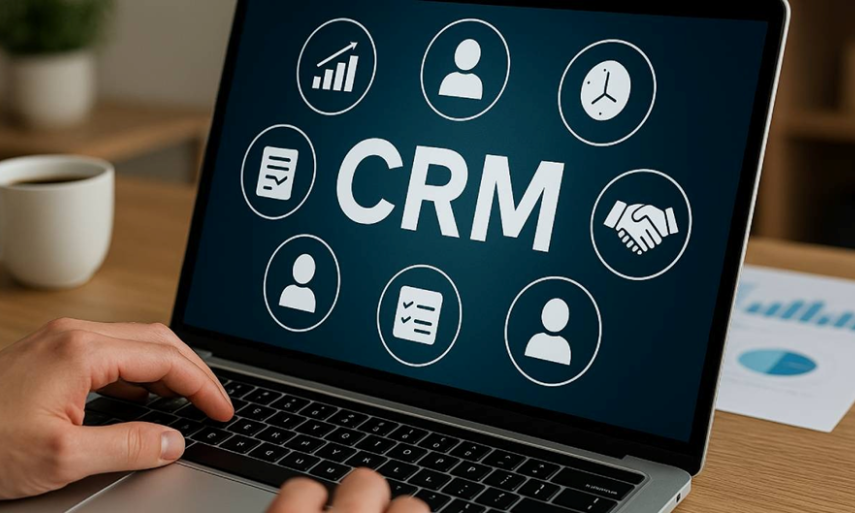
CRM software organizes leads, automates communication, and makes sure that every potential buyer gets timely follow-ups. This is better than using spreadsheets, manual reminders, or WhatsApp conversations that are all over the place.
CRM tools can greatly speed up responses, make sales more efficient, and increase conversion rates for real estate businesses in India, including developers, channel partners, and brokerage firms.
This article talks about how Real Estate CRM software automates follow-ups with leads and how that automation leads to more property sales.
A Simple Explanation of Real Estate CRM Software
A Real Estate CRM (Customer Relationship Management) system is a program that helps you keep track of property leads, communication, follow-ups, and the whole sales process with potential buyers.
Instead of using a lot of different tools to handle inquiries, like:
- Calls
- Real estate portals
- Excel Files
A CRM puts everything in one place.
Some common things that a real estate CRM can do are:
- Getting leads from a number of places
- Giving leads to salespeople
- Automatically setting up follow-ups
- Keeping track of buyer interest
- Keeping track of property inventor
- Keeping an eye on sales performance
In short, a CRM is like a digital assistant for the sales team. It makes sure that no question is missed and no chance is missed.
The Real Problem: Why So Many Real Estate Leads Don't Turn Into Sales
Before you can understand automation, you need to know about a problem that many real estate businesses in India have.
People often lose leads because of:
Slow times for responses
People who buy things today want quick answers. If someone fills out an inquiry form and gets a call two days later, they may have already talked to several other companies.
Not following up
Sales teams are usually busy with meetings, site visits, and negotiations. Follow-ups get put off or forgotten if you don't set reminders.
Lead tracking that isn't organized
Leads often sit in Excel sheets, WhatsApp chats, or email threads without being put into the right groups.
No way to see what the buyer wants
Some leads are ready to buy in a month, while others spend six months doing research. It's hard to tell which leads are most important without a CRM.
What happened?
Marketing budgets go up, but conversion rates stay low.
This problem can be fixed with automation.
How Real Estate CRM Software Takes Care of Following Up with Leads
Automation in CRM systems means that the software takes care of tasks that need to be done over and over again, so sales teams can focus on talking to customers and closing deals.
If you would like to take a step and switch to Tranquil all-in-one CRM and know more about our Tranquil solutions, then feel free to reach out to us at info@tranquilcrm.com.
Here are the main ways that CRM automation makes follow-up easier.
1. Automatically getting leads from many places
Many different ways get in touch with real estate companies:
- Websites for real estate (99acres, MagicBricks)
- Forms to contact us on our website
- Ads on Google
- Ads on Facebook and Instagram
- Messages on WhatsApp
- Visitors who walk in
You have to enter these leads by hand if you don't have CRM software.
A real estate CRM automatically collects and saves them.
For example:
If someone fills out a form on a developer's website asking about 3 BHK apartments, the CRM does this right away:
- Websites for real estate (99acres, MagicBricks)
- Keeps track of contact information
- Gives the lead to a sales person
- Starts a follow-up task
This process happens in a matter of seconds, which means quick response times.
2. Assign leads to sales agents right away
One problem that real estate teams often have is dividing up leads.
Leads may sit around when several agents are working together because no one knows who should respond.
CRM software fixes this by automatically giving leads to people based on:
- Availability of agents
- Where
- Specialization in project
- Source of leads
For example
If someone in Hyderabad asks about villas in Kollur, the CRM can automatically send the request to the agent in charge of that project.
This makes sure:
Faster response
A better experience for customers
More likely to convert
3. Reminders for follow-up that happen automatically
Salespeople often lose deals because they forget to follow up.
CRM systems send out automatic reminders for every step of the buyer's journey.
Follow-up steps usually include:
- First response after asking
- Details about the property shared
- Setting up a site visit
- Feedback from site visits
- Negotiating prices
- Follow-up on booking
The CRM tells the sales agent when they need to follow up.
This makes sure that no possible buyer is missed or forgotten.
4. Set times for email and WhatsApp messages
Buyers of real estate often need to talk to the seller several times before they make a choice.
CRM systems can send automated messages like property brochures.
- Plans for the floor
- Price lists
- Confirmations for site visits
- Reminders to pay
- You can send these messages by: Email
- Text Messages
For example
The CRM automatically sends the following after a site visit is set up:
Map of the area
Message to confirm your visit
Information about how to reach the sales agent
This cuts down on the amount of work that needs to be done by hand and makes sure that communication is always the same.
5. Scoring leads and figuring out which ones are most important
Not every question is the same.
Some buyers are serious and want to buy in the next few weeks. Some people are just looking into their options.
Lead scoring in CRM software helps find leads with a lot of interest.
Here are some things that might be used to score:
- Range of the budget
- Timeline for preferred possession
- Number of interactions
- Requests for site visits
- Responding to emails or messages
Then, you can get in touch with high-priority leads more often, which will make it more likely that you will close deals.
6. Keeping track of every interaction with the buyer
One of the best things about CRM software is that it keeps track of all conversations. Every time you talk to a buyer, it's recorded:
- Calls
- Emails
- Messages
- Notes from the site visit
- Talks about prices
This helps sales teams figure out what the buyer wants.
What worries them
What point they are at in the decision-making process
The full history is still available if a lead is given to a different agent.
Step-by-Step Example: How CRM Automation Turns a Lead into a Sale
Think about a real-life situation to see how it really affects you.
Step 1: Lead the inquiry
A buyer fills out a form on a website to ask about luxury apartments.
Step 2: The lead is captured by CRM
The CRM keeps track of:
- Name
- Number of phone
Preference for property
Step 3: Assigning leads
The system gives the lead to a sales agent who is an expert in that project.
Step 4: Answer right away
An automatic message sends:
Confirmation of thanks
Brochure for the property
Contact information for the agent
Step 5: Reminder to follow up
Within 24 hours, the CRM sets up a follow-up call.
Step 6: Setting up a time to visit the site
The system makes an appointment and sends reminders once the buyer agrees.
Step 7: Follow up after the visit
The CRM tells the agent to check back in two days.
Step 8: Progress of the deal
We keep track of the steps in the negotiations and booking process until the sale is done.
This structured process makes it much more likely that people will convert.
Better Conversion Real estate companies usually see
Real estate companies that use CRM systems often see improvements in important sales metrics.
Common improvements are:
Quicker response times
Response times go from hours to minutes.
More consistent follow-up
Instead of just one follow-up, each lead gets several.
Better prioritization of leads
Instead of chasing cold leads, sales teams focus on serious buyers.
More deals closed
Many businesses say their conversion rates have gone up by 15% to 35%.
CRM vs. Old Ways of Managing Leads
Compare traditional methods to CRM automation to see the difference clearly.
Old-fashioned lead management
- Excel sheets to keep track of leads
- Reminders by hand
- Leads spread out across platforms
- Slow responses to follow-up
- Tracking of communication is limited
Managing leads with CRM
A database of leads that is all in one place
Setting up follow-up automatically
Tools for communicating that work together
Scoring and ranking leads
Full history of interactions
This difference has a big effect on sales results.
The Average Cost of Real Estate CRM Software in India
Prices differ based on the features and size needed.
These are the general ranges.
Small teams of brokers
₹1,500 to ₹4,000 per month for each user
Medium-sized real estate companies
₹5,000 to ₹15,000 a month, depending on how many integrations there are.
Big developers
Prices vary based on the number of leads and the features of the automation.
Costs may also include:
- Moving data
- Training for staff
- Working with marketing tools
Working with marketing tools
CRM investment is usually much cheaper than the value of a single property sale.
When to put CRM systems into use
A lot of companies think that it takes a long time to set up a CRM system, but modern systems can be set up fairly quickly.
Normal timeline:
Week 1:
Setting up CRM and analyzing requirements
Week 2
Integrating lead sources and setting up the system
Week 3:
Training and testing for the sales team
Week 4
Full use
Most businesses can start to see improvements in lead management within a month.
Why Professional CRM Solutions Are Important
Some companies try to handle leads with free tools or simple CRM platforms that aren't made for real estate.
But specialized real estate CRM systems have features like:
Managing property inventories
Tracking site visits
Managing channel partners
Tracking builder projects
Reporting just for real estate
Tracking builder projects
Reporting just for real estate
Solutions like tranquilcrm focus on real estate workflows, which makes it easier for developers and brokers to handle leads, automate follow-ups, and keep track of sales pipelines without having to do a lot of custom work.
The main benefit is that it fits in with how real estate sales work, instead of making teams use generic CRM tools.
Common Myths About Automating CRM
"Automation takes away the human touch."
Automation takes care of boring tasks so that salespeople can have more meaningful conversations.
"CRM systems are only for big developers."
Organized lead tracking and automatic reminders are helpful for even small brokerage teams.
"CRM software is hard to use."
Modern platforms are made to be easy to use and don't need a lot of technical knowledge.
Questions That Are Asked a Lot (FAQ)
What does Real Estate CRM software do?
Real Estate CRM software is a tool that helps developers, brokers, and property agents keep track of inquiries, track interactions with buyers, set up follow-ups, and keep an eye on the whole property sales pipeline.
What does CRM automation do to make it easier to turn leads into customers?
CRM automation makes sure that every lead gets timely follow-ups, organized communication, and regular engagement. This greatly increases the chances of turning inquiries into property bookings.
How soon should you get in touch with real estate leads?
Ideally, you should respond to a request within 5 to 15 minutes. Quick responses make it more likely that you'll get the buyer's attention before they call your competitors.
Can property portals work with CRM software?
Yes. Many real estate CRM systems work with big property portals and marketing platforms, which means they can automatically get leads from those sites.
Is CRM helpful for small real estate businesses?
Yes. CRM systems are helpful for even small sales teams because they cut down on manual work and make sure that no leads are missed.
What should I look for in a CRM for real estate?
Some important features are:
- Automated lead capture
- Reminders for follow-up
- Planning a visit to the site
- Integration with WhatsApp and email
- Keeping track of the sales pipeline
- Tracking the source of leads
How much does it cost to buy Real Estate CRM software in India?
Prices usually range from ₹1,500 to ₹15,000 per month, depending on how many users there are and what kinds of automation features are needed.
How long does it take to set up a CRM system?
Most CRM systems can be set up, integrated, and trained in two to four weeks.
Last Thoughts
Getting leads is just the first step in selling real estate. The main difference between average and high-performing sales teams is how well and consistently they follow up with leads.
Real Estate CRM software helps businesses keep track of inquiries, automate communication, and see how each step of the buyer journey is going.
CRM systems make it much more likely that inquiries will turn into successful property transactions by taking care of manual tasks and making sure that buyers are contacted quickly.
Real estate agents who want to get better at managing leads and following up on them consistently might want to consider using a dedicated CRM solution, like one made just for the real estate industry. This could help them build a more organized and effective sales process.


.webp)