Local Lead Generation + CRM Follow-Up Strategy for Real Estate Success in India
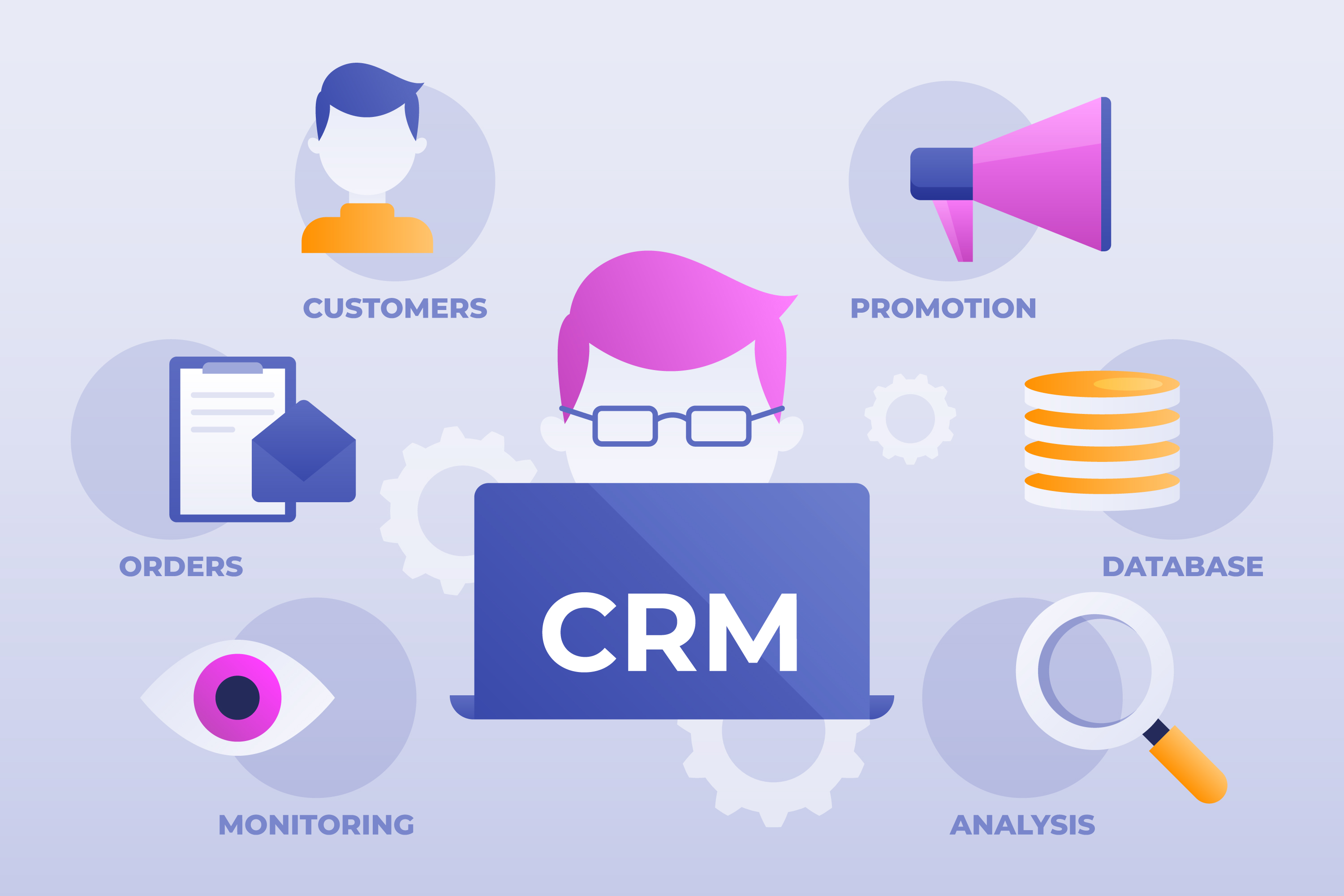
Why Real Estate Businesses Are Losing Leads
In India’s competitive property market, most real estate businesses are not struggling to get leads—they’re struggling to convert them.
A potential buyer fills out a form for a 2 BHK in Kokapet or clicks a WhatsApp ad for flats near Pocharam. Within minutes, they’re already exploring other options. If your team doesn’t respond quickly or follow up consistently, that lead is gone.
This is exactly where real estate CRM software becomes critical. It’s not just a tool—it’s the system that ensures every inquiry is captured, responded to, and nurtured until conversion.
What Is Real Estate CRM Software?
Real estate CRM software is a platform designed to help developers, agents, and marketing teams manage property leads from first contact to final booking.
Instead of handling leads manually through Excel sheets or phone logs, a CRM system automates and organizes the entire process.
In simple terms, it helps you:
- Capture leads from multiple sources automatically
- Track every interaction with potential buyers
- Schedule and automate follow-ups
- Assign leads to sales teams
- Monitor conversions and performance
Without real estate CRM software, lead management becomes reactive. With it, your process becomes structured and predictable.
The Link Between Local Lead Generation and CRM
Local lead generation brings in high-intent users searching for:
- “Flats near Infosys Pocharam”
- “3 BHK apartments in Narsingi”
- “Gated community villas in Kollur”
These users are already interested. The challenge is managing them efficiently.
This is where real estate CRM software bridges the gap between marketing and sales.
Without CRM:
- Leads are scattered across platforms
- Follow-ups are inconsistent
- Sales teams miss opportunities
With CRM:
- All leads are centralized
- Every inquiry is tracked
- Follow-ups are automated
Step-by-Step Real Estate Lead Conversion System
Step 1: Capture Leads Automatically
Your real estate CRM software should integrate with:
- Website forms
- Facebook & Instagram ads
- Google Ads
- Property portals
- WhatsApp campaigns
This ensures no lead is missed.
Step 2: Respond Within Minutes
Speed is everything in real estate.
A good real estate CRM software enables:
- Instant WhatsApp replies
- Auto SMS confirmations
- Automated email responses
Example:
“Hi, thank you for your interest in our 3 BHK apartments. Our team will contact you shortly. Meanwhile, here’s the brochure.”
Step 3: Qualify Leads Effectively
Not all leads are equal.
CRM helps categorize:
- Hot leads (ready to buy)
- Warm leads (researching)
- Cold leads (future prospects)
This allows your team to prioritize correctly.
Step 4: Automate Follow-Ups
Most deals are closed after multiple follow-ups—not the first call.
With real estate CRM software, you can automate:
- Day 1: Call + WhatsApp
- Day 3: Project details
- Day 5: Site visit reminder
- Day 10: Offer update
- Ongoing: Nurturing messages
Consistency is what increases conversions.
Step 5: Track Site Visits and Feedback
CRM records:
- Visit schedules
- Customer preferences
- Budget range
- Feedback
This helps personalize future communication.
Step 6: Close and Retain Customers
Even after booking, CRM continues to help:
- Payment tracking
- Construction updates
- Customer engagement
This builds trust and referrals.
Real Example from Indian Real Estate Market
Let’s consider a developer targeting apartments near Pocharam.
Without Real Estate CRM Software:
- Leads: 200/month
- Conversion rate: 2–3%
- Lost leads due to poor follow-up
With Real Estate CRM Software:
- Same leads: 200/month
- Conversion rate: 8–12%
- Higher engagement and faster response
This shows how CRM directly impacts revenue without increasing ad spend.
Cost of Real Estate CRM Software in India
Pricing varies based on features and business size.
Typical Pricing:
- Entry-level CRM: ₹1,000 – ₹3,000/month
- Mid-range CRM: ₹5,000 – ₹15,000/month
- Advanced CRM: ₹20,000+/month
Key factors affecting cost:
- Number of users
- Automation features
- WhatsApp integration
- Reporting capabilities
For most businesses, the ROI is significantly higher than the cost.
How Long Does It Take to See Results?
Implementing real estate CRM software is relatively quick.
- Setup: 3–7 days
- Training: 1 week
- Optimization: 2–4 weeks
- Results: 30–60 days
Consistency in usage is more important than the tool itself.
Common Mistakes to Avoid
- Delayed Response
- Overloading Sales Teams
- No Follow-Up System
- Ignoring Data
What to Look for in Real Estate CRM Software
- Lead auto-capture
- WhatsApp & SMS integration
- Follow-up automation
- Lead tracking dashboard
- Sales performance reports
- Mobile accessibility
The simpler the interface, the better your team will adopt it.
Benefits of Using Real Estate CRM Software
- Faster Response Time
- Better Lead Management
- Higher Conversion Rates
- Improved Team Productivity
- Clear Business Insights
A Note on TranquilCRM
For businesses looking for a system tailored to Indian real estate workflows, TranquilCRM focuses on:
- Local lead management
- Automated follow-ups
- WhatsApp-based communication
- Simple dashboards
Quick Wins You Can Implement Today
- Respond to leads within 5 minutes
- Use WhatsApp for faster communication
- Send brochures instantly
- Track every lead manually
- Schedule follow-ups consistently
FAQ: Real Estate CRM Software
What is real estate CRM software?
A tool that helps manage property leads and automate follow-ups.
Why do real estate businesses need CRM?
Manual systems cannot handle large volumes efficiently.
Is it useful for small agencies?
Yes, especially when resources are limited.
How much does it cost in India?
₹1,000 to ₹20,000+ per month.
Does CRM increase sales?
Yes, by improving response time and follow-ups.
Which features are most important?
Lead capture, WhatsApp integration, follow-up reminders, reporting dashboard.
How quickly should leads be contacted?
Within 5 minutes.
Can CRM integrate with ads and websites?
Yes, most systems support integrations.
How long before ROI?
Typically 30–60 days.
Final Insight
Lead generation brings opportunities, but conversions come from process.
With the right real estate CRM software and a disciplined follow-up strategy, you build a predictable sales system.
And in real estate, consistency always wins over luck.

.webp)